Those born
with the Role of the Thief are lone wolves. With a strong set
of ideals, they cannot be easily dissuaded once they have made their mind about
something, and aren’t afraid to break rules or cheat the system if they need
to. All is fair in order to achieve their goal. They are straightforward,
blunt, to the point, with no time to waste, and always have their hands full
with something. While they can form part of a group and form bonds with others,
their values and nature may conflict with them, and they run the risk of
manipulating and using others if they don’t trust and respect them as equals.
The bonds a Thief does make, however, are intense due to their extreme
selectiveness, and losing one of these bonds can be stressful and devastating
for them. At their best, they’re energetic, fearless and ready to take action at
a moment’s notice. At their worst, they can be egotistical and cocky.
Thieves may have a perceived lack of their Aspect to begin
with, which will often challenge them. Something they’re missing and they
struggle with, something they must learn to take from the environment, from
others. This doesn’t, however, mean that they need to stay with others to
mature, as their need to take their Aspect plays into their lone wolf nature,
bettering themselves, building themselves up, and becoming a powerhouse on their
own. They’re as powerful going solo as they are in a team, however their
companions should be wary of being left behind, and used as stepping stones to
further their goals. Trust and respect are crucial for a Thief to be reliable,
but with a strong enough bond, they can become one of the most powerful
teammates you could hope for.
Being one of the Taker Classes, Thieves are the Active counterpart to the
Rogues, and similar to them, their strengths lie in Stealing.
Taking or Receiving their Aspects from others and from any fitting source to
benefit themselves, they are all about strengthening themselves and amassing
more and more. This works doubly in their favor, improving their lack of their
Aspect while reducing its amount on their foes, they can fend themselves
against the strongest of enemies. A Thief should be aware and careful of not
going overboard, however, as where they Steal from, they may leave only Lack.
sometimes I just get overwhelmed with feelings about how good jake english is, how deceptively complicated as a person he is, how he plays dumb so much of the time but is actually really smart, how he’s a selfish little asshole who knows this and thinks less of himself for it, how sneaky and cunning he can be when he tries, but how he’s got a good heart deep down and deserves the world
Those born
with the Role of the Bard faithfully follow their cause. They
have something they think is righteous and good, and are devoted to it and
those important enough to them. Bards don’t take kindly to mockery or
skepticism towards their cause, however, as they see the good and positive in
it, so those opposed to it can only be considered as villains. If their faith
is broken, they will become disillusioned with that which they so intensely
identified with, and may need long periods of time and introspection to find
themselves again, to find a new goal. This strong attachment may also apply to
friends and people they look up to, but this strong aversion to judgement and
change in their point of view can make them rather volatile. At their best,
they are willing, helpful and friendly. At their worst, they can be inflexible
and antagonistic.
Bards will often find their Aspect in the cause they follow,
and identify strongly with what it conveys, which only makes it harder for them
to see beyond and consider other options. They will share their point of view
with others in an attempt to make them see the same way they do. Because of
this, the effectiveness of a Bard in a group is wholly determined by who their
companions are, and the cause they are fighting for. They may as easily lay
back and let others take care of things while they focus on what they deem
truly important, as they may take direct action to defend their point of view
and crush their foes. They are whimsical and hard to predict in combat, but
sometimes the difference between victory and defeat may just be the group’s
Bard deciding to take action.
Being one of the Destroyer Classes, Bards are the Passive counterpart to the
Princes, and similar to them, their strengths lie in Destroying
things. Reducing, Erasing, Eliminating, if it needs to be toned down or
removed, a Bard is the appropriate choice to do so. They’re proficient at
hampering the ability of their foes to properly fight back, and supporting
those they are fighting alongside with against anything, but a Bard may also
channel their Aspect for destructive purposes, or directly destroy it. Volatile
as they are, sometimes all a team needs to do to win, is a little bit of trust
placed on the Wildcard.
Those born
with the Role of the Muse are marked by martyrdom. They may
feel at times that the world is out for them, even if they have done nothing
wrong, they blame themselves for others’ actions and for their own inaction.
But while they may dwell in self-deprecation and acceptance of the cruel world,
a Muse’s life needn’t be surrounded by misery. Their biggest strength are
their friends, their love, the ties they form with them and how they express
themselves. They are talented and amicable, understanding of others, and if
allowed to blossom, their love for others and their interests knows no bounds.
And just as their friends are inspired by them and seek to remain together, a
Muse may need to trust their friends and accept their help to fully mature and
escape a less than desirable situation. At their best, they are creative,
encouraging and easy to get along with. At their worst, they can be solitary,
pessimistic, and actively suppress their own emotions.
Muses are shaped by their Aspect as much as their Aspect is
shaped by them. Their environment and others hold an intense force over them,
which may at times seem oppressive, yet at the same time, this can be a source
of inspiration and strength for them. If backed up by their friends, or with
enough conviction, a Muse can exert as much force back into their environment
as it does on them. Their ideals, their thoughts, their actions, resonate with
everyone they know, as if a tug-of-war between the forces of the world trying
to shape them, against their own power to make things as they want to. Even if
a Muse feels useless and like they aren’t contributing to anything in their team,
they needn’t worry, as their mere presence evokes a powerful drive upon
everyone they know.
Being one of the Master Classes, Muses are the most Passive Class on the
spectrum, as opposed to the Lord. And much like them, a Muse’s strengths lie
in Commanding. Their Aspect exerts a powerful force over them that
shapes the Muse’s world, so much so they may come to Embody the very forces of
their Aspect. Inspiring those around them through the forces of their Aspect
and their interactions with it and with them, their very presence exerts power,
and everything they do is influenced in just the same way. A Muse should be
careful not to embrace martyrdom, however, it’s in their nature to be
self-sacrificial to aid those around them, and while this may be a way, their
presence is always appreciated, if not outright needed in their group. Never
wrong a Muse, for even at their worst, they are never truly alone.
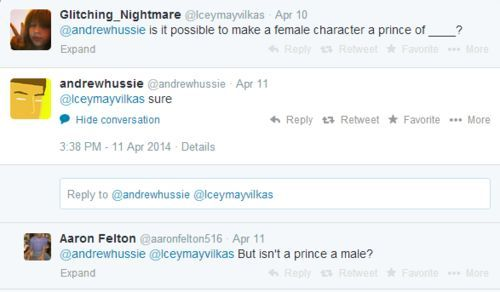
Lmao so this kind of pedantic bullshit is why I don’t like talking about Word of God much, people will veer wildly between A) wildly making shit up and B) prying into WP people’s words to try and squeeze any sort of desired meaning out of them and I’m not here for any of it.
For what it’s worth, I was referencing this:
Which is an ancient, ancient post that was deleted ages ago. I really shouldn’t have to dig it up to make a simple point that people can do w.e they want in fandom, because it’s fucking fandom, and it’s for fun. Coming at me like I’m spreading some Hideous Misinformation for…saying that people can have fun how they like with this fictional context seems bizzare to me, especially when it comes with this weird Author Intent mindset that I basically don’t give a shit about at all.
But it’s worth keeping in the public conciousness that Hussie as an author, and Sburb as a concept, have always been all for hyperflexibility and reader engagement/self-insertion. People in Sburb can have two dreamselves, no dreamselves, ghost summonings, they can turn into any kind of animal or fantasy creature, they can have any kind of powers, etc. Whhhyyyyyy would the lines of realism be drawn at a girl growing up with a fascination for historical figures and a penchant for vanquishing threats and saving damsels. The female Prince archetype already exists in modern fiction. Have you heard of Utena???
My point is that while Classes–like any of the game’s symbols–might lean a certain way or carry certain connotations, it doesn’t make any actual sense as a fandom participant to try to hold to the Hard Line of Canon and gatekeep what other people can do. Canon doesn’t fucking care what you imagine or dream up, it’s systems have already accounted for your unique fantasy, by design, now matter how bizzare or “unlikely” it is. Hussie is evidently not interested in telling people what they can and can’t do, and hasn’t been for at least years.
So yeah. I do my research just fine, anon. Feel free to source your point, though.
Okay, so I was going about my usual business, looking at some Steven Universe fanart, looking up stuff, when I stumble upon Wikipedia.
They’re in trouble.
Guys, I know that not all of you live in the U.S., but if you do, I want you to go to Wiki right now and donate. Legit, its the first thing that should pop up on Wiki. Whatever you have left over, donate, and don’t forget: big companies have tried to buy Wikipedia, but by making small donations, people have kept it the reliable, up-to-date, FREE encyclopedia, so keep it free and keep donating.
Guys, 90% of my Homestuck research has been done off Wikipedia, and it’s my personal suspicion that we’re meant to use it as an accompaniment to the comic to understand it’s subtler symbolic nuances.
If for no other reason than that, I suggest pitching in what you can to protect the accessibility of open, true information.